
Winter Citrus Preserves | Small Batch Magic
Updated: Mar 14
When winter hits, most produce pulls back — but citrus does the opposite.
Walk through any market in January or February and you’ll see it immediately: pink grapefruits, blood oranges, Meyer lemons, pomelos, tangelos. Each variety carries a different balance of sweetness, bitterness, acidity, and aroma. For a cook, it’s one of the most exciting moments of the year. This is when ideas start to stack up.

Grapefruit that leans floral instead of sharp.
Blood oranges with berry-like depth.
Lemons that taste almost honeyed.
Those differences matter — especially when you’re building preserves, sauces, and cocktails where the fruit is the lead ingredient.
Why Winter Citrus Works So Well for Preserving
Citrus has three things that make it ideal for small-batch preserving:
High natural acidity (for balance and safety)
High pectin content in the peel (for structure)
Complex aromatic oils (for flavor that survives cooking)
That combination is why marmalades, curds, and candied peel have so much dimension compared to berry jams. You’re not just capturing sweetness — you’re capturing bitterness, perfume, and texture.
For me, winter citrus always turns into three projects:
Marmalade – where peel, juice, and sugar come together into something layered and bold
Curd – where juice becomes something creamy, sharp, and luxurious
Candied peel – where the rind itself becomes a flavor ingredient
Each one uses the same fruit in a different way — which is exactly how chefs think about ingredients.

Pink Grapefruit Marmalade
Pink grapefruit brings something special to marmalade: floral bitterness balanced by natural sweetness. It produces a preserve that’s complex without being harsh — perfect on toast, but even better brushed onto roasted chicken, folded into yogurt, or stirred into vinaigrettes.
This isn’t a breakfast condiment — it’s a flavor tool. → Get the recipe
Blood Orange Curd
Blood oranges lean darker & richer than standard oranges with berry-like notes and a deeper citrus profile. Turned into curd, they become something silky and bold, ideal for:

Spoon-over yogurt or Panna Cotta
Tart fillings
Layer cakes
Or straight from the jar
Curd is citrus in its most luxurious form — bright, creamy, and versatile. → Get the Blood Orange Curd recipe
Candied Citrus Peel
Candied peel is what happens when nothing is wasted. The rinds that flavor marmalade become something else entirely — sweet, chewy, and aromatic. They belong in:

Baking
Chocolate dipping
Cocktails
Cheese boards
Gift jars
It’s one of the simplest citrus techniques, but also one of the most useful.
The Small-Batch Advantage
Small-batch preserving isn’t about stocking shelves. It’s about responding to what the market gives you.
If the blood oranges are exceptional, you make curd.If the grapefruits are bright and fragrant, you make marmalade.If the peels are beautiful, you candy them.
This is how restaurant kitchens work — and it’s how home kitchens can too.

From Pantry to Plate (and Glass)
Once these jars exist, they show up everywhere:
Marmalade in glazes, sauces, and vinaigrettes
Curd in desserts and breakfast bowls
Candied peel in baking, cocktails, and gifts
They even belong at the bar — stirred into spritzes, folded into syrups, or paired with sparkling wine.
Winter citrus doesn’t stop at the pantry. It keeps moving.


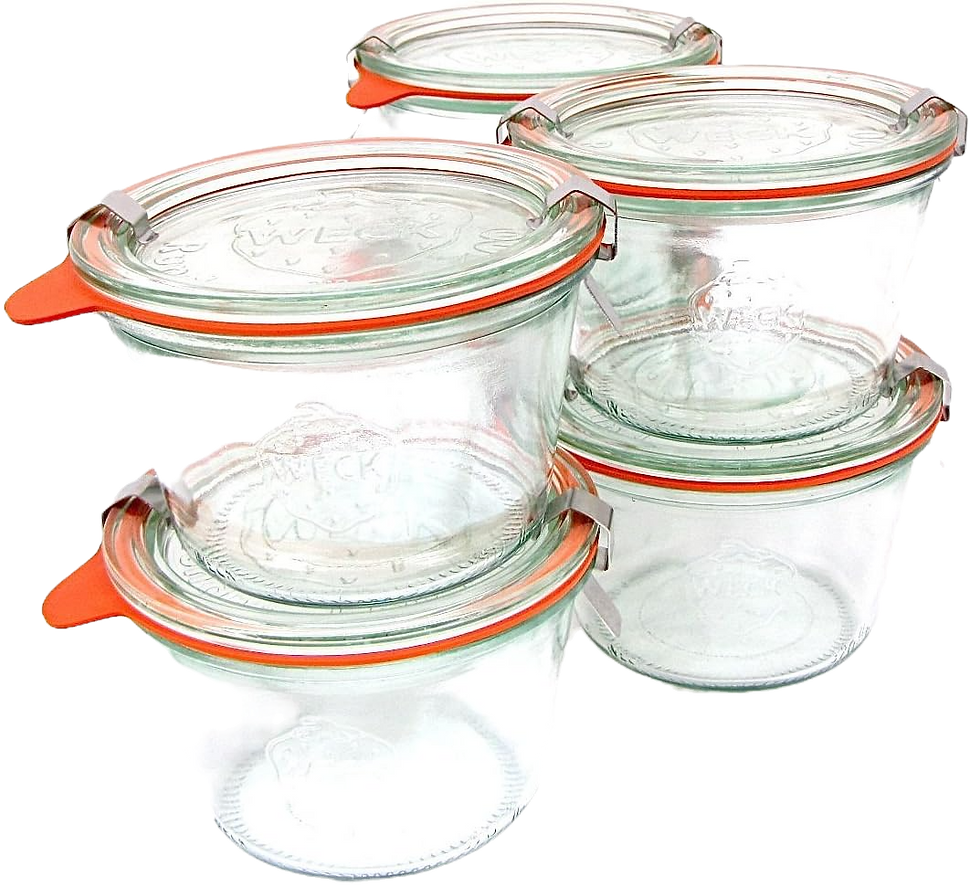

For curds and syrups, this ensures silk-smooth texture by removing zest, pulp, or egg solids. These are the same tools I reach for whether I’m making one jar for the fridge or a full batch for gifting — simple, reliable, and designed for real kitchen work.
Where to Go Next
Citrus season is one of the most rewarding moments for the preserving kitchen. Marmalades, syrups, and candied peels transform winter fruit into pantry staples that brighten cooking all year long.
→ Discover more techniques, tools, and seasonal ideas in
Explore the Craft Behind the Jar
If winter citrus pulled you into preserving, the deeper story lives here:
A foundational guide to the traditions, tools, and science behind what makes jams set, marmalades shine, and jars safely seal — from heirloom fruit to modern technique.
What we Reach For

Few cookbooks manage to feel both timeless and practical, but The Blue Chair Jam Cookbook does just that.
Written by Rachel Saunders, it has become a cornerstone for anyone serious about preserving fruit.
When I first opened its pages, I recognized the same values I try to share here on This Café Life — respect for ingredients, patience in process, and creativity in flavor. Purchase Cookbook →
At This Café Life, transparency matters. We want you to know that some of the links on our website are affiliate links. This means that if you click on a link and book travel, buy a product, or sign up for a service, we may earn a small commission — at no extra cost to you.


Comments