
The Art of Braising
Updated: Mar 18
Techniques, Tools & Six Signature Recipes: The Art of Braising
There’s a quiet kind of confidence in braising. It isn’t rushed. It doesn’t rely on spectacle. Instead, it asks for patience, heat, and a well-chosen vessel. In return, it rewards you with dishes that feel settled, generous, and deeply comforting.

Braising is the technique behind some of the world’s most enduring dishes: pork shoulders softened by cider, chicken enriched by wine, and lamb infused with warm spices. In this guide, I break down the fundamentals of braising, the tools I rely on, and six recipes that prove why this method belongs at the heart of everyday cooking.
What Is Braising?
Braising is a combination cooking method that begins with high heat and finishes low and slow. Ingredients are first seared to develop color and flavor, then gently cooked in liquid until tender. What sets braising apart is transformation. Tough cuts become silky, aromatics deepen, and sauces evolve naturally as time does the work.
At its core, braising is about:
Building flavor in layers
Using steady, controlled heat
Allowing ingredients to relax into themselves
It’s not complicated — but it is intentional.
Why Braising Works So Well
Braising excels where other methods fall short. Connective tissue breaks down gradually. Liquids reduce and concentrate. Aromatics soften rather than burn.
This is why braises:
Improve with time
Reheat beautifully
Feel just as right for a quiet weeknight as for a table of guests
It’s cooking that meets you where you are.
Tools We Use
Braising doesn’t require excess equipment — but the right tools matter.

Essential for trimming meat cleanly and efficiently. A sharp, balanced knife allows you to work with confidence and precision, especially when breaking down larger cuts.

For finishing sauces, smoothing soups, or refining braising liquids without transferring hot contents to a blender.

These are tools that earn their place — not specialty items, but workhorses.
The Braising Method: Step by Step
While recipes vary, the technique remains consistent.
Season generously - Salt early. It penetrates and builds flavor from the inside out.
Sear properly - Brown meat in batches. Color equals flavor.
Build the base - Aromatics, vegetables, herbs — all layered into the fond left behind.
Deglaze thoughtfully - Wine, cider, stock, or spirits lift flavor from the pan.
Cover and cook gently - Low heat, long time. Let the oven do the work.
Finish with care - Reduce sauces, adjust seasoning, enrich if needed.
Once you understand this rhythm, braising becomes instinctive.
Braises We Return to Again and Again
Each of these recipes follows the same technique — but tells a different story.

Apple cider brings balance and warmth to a dish built for cooler evenings. The pork becomes fork-tender, and the sauce is glossy and savory with just enough acidity to keep things light. Perfect for gatherings, leftovers, and slow Sundays. Recipe →

Deeply aromatic and richly layered, this braise leans into warm spice without overpowering the meat. A patient cook yields ribs that collapse under a fork. Serve with polenta or rice to soak up every drop. Recipe →

A classic for a reason. Wine, mushrooms, and time transform beef into something luxurious yet grounded. This is a dish that teaches restraint and rewards patience. Better the next day — and the day after.


This oven-braised brisket is built around a smoked paprika spice rub, slow-cooked with onions, garlic, and warm aromatics until deeply tender. The meat is rested tightly wrapped to lock in its juices, then served with a bold firecracker-style dipping sauce made from the strained braising liquid. Recipe →
Many of the same techniques used in braising — gentle heat, aromatics, and patience — are also the foundation of great soup.
For more slow-simmered recipes and the ingredients that build flavor in the pot, visit our Soup Lovers Kitchen →
Best Sides for Braises
Braises are generous by nature. They pair beautifully with:
Sides to Complete any Meal
A well-built main deserves equally thoughtful accompaniments. These side dishes focus on structure, flavor layering, and textures that round out the meal without competing for attention:
• Sweet Potato Spiral — layered rounds tender inside with lightly caramelized edges
• Potatoes Gratin — delicately sliced potatoes baked in cream - classic golden finish
• Mushroom Risotto — slow-cooked Arborio rice with deep mushroom flavor
• Cowboy Stuffing — hearty, savory stuffing with herbs, aromatics, and cornbread
Prepared individually or as a group, these sides bring warmth, balance, and substance to everything from seasonal gatherings to everyday dinners.

How We Serve
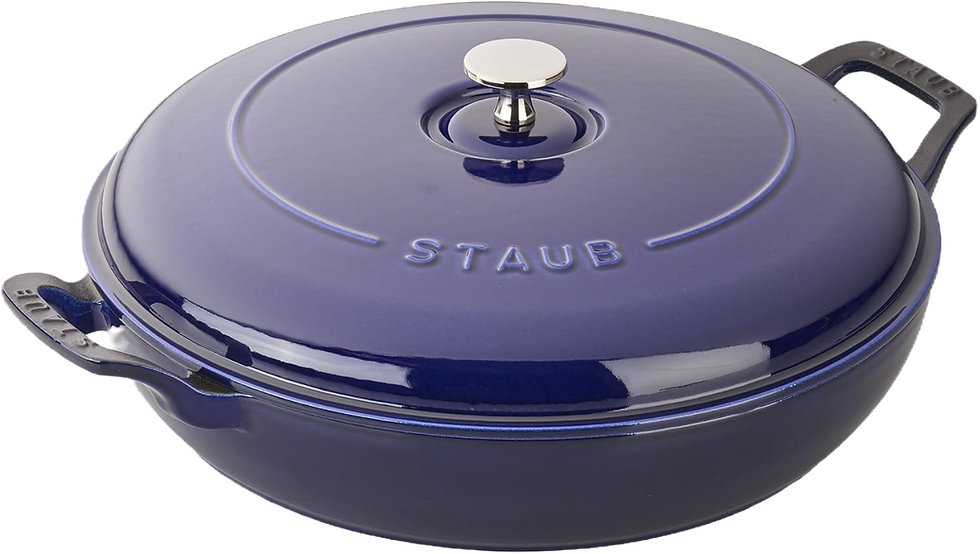
The final step of any great braise isn’t just slicing — it’s presentation and temperature control. A heavy stoneware serving bowl like this Staub piece lets you move meals directly from kitchen to table without losing heat or elegance.


Chef’s Notes
Braises improve with rest — don’t rush them.
Season at the end; reductions intensify flavor.
If the sauce feels heavy, add acid, not salt.
A braise can be rustic or refined — both are correct.
More to Explore
If braising speaks to you, you may also enjoy:
Each builds on technique, seasonality, and tools I trust.
Braising isn’t about trends. It’s about confidence, repetition, and knowing when to let go. Once you master the method, the recipes become endless — and the kitchen feels calmer for it.
At This Café Life, transparency matters. We want you to know that some of the links on our website are affiliate links. This means that if you click on a link and book travel, buy a product, or sign up for a service, we may earn a small commission — at no extra cost to you.


Comments