
The Ultimate Guide to Cooking Scallops: Easy Recipes for Every Kitchen
Updated: Feb 20
Scallops are one of the most misunderstood — and most mishandled — seafoods in the home kitchen. When sourced well and seared correctly, they are sweet, tender, and almost buttery in texture. When overcooked or poorly handled, they become rubbery and forgettable.

The difference is technique.
This guide breaks down everything you need to know: how to buy scallops, how to distinguish sea from bay, how to achieve a perfect golden crust, and how to build complete dishes around them — from brown butter classics to bright, global flavors.
Scallops are not complicated. They demand attention, not complexity.
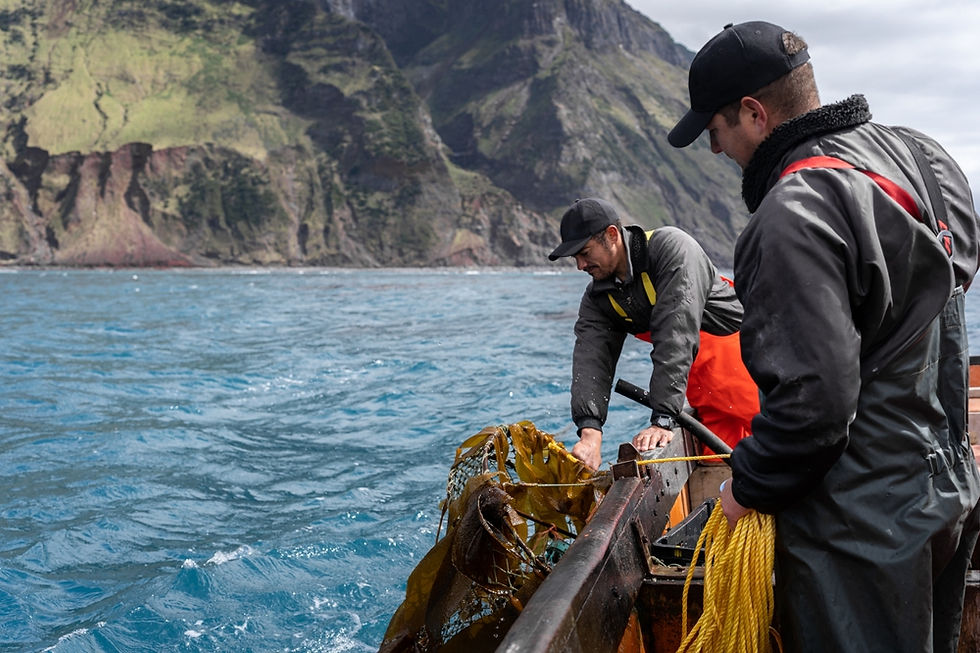
Years ago, I had my first memorable scallop at a restaurant in Denver — a single seared scallop that was deeply caramelized outside and silky inside. After moving to New England, scallops took on a deeper meaning. They were no longer just a fine-dining indulgence, but part of the working coastline — fishermen, markets, and seasonal rhythms that define this region.
Understanding scallops means understanding both technique and place.
Let’s start with sourcing.
Sea Scallops vs. Bay Scallops
Not all scallops are interchangeable.
Sea Scallops (Placopecten magellanicus)
Large, firm, and ideal for searing
Found offshore from Georges Bank to New Jersey
Harvested year-round
Peak quality: late fall through winter
Most commonly served in restaurants
Best for: pan-searing, grilling, risotto, composed plates.
Bay Scallops (Argopecten irradians)
Smaller, sweeter, more delicate
Found in shallow bays (Nantucket, Cape Cod, Long Island, RI)
Highly seasonal (October–March)
Often eaten raw or lightly sautéed
Best for: quick sautés, salads, ceviche-style preparations.
Dry vs. Wet Scallops
This is the most important buying distinction.
Dry Scallops
Untreated. No added preservatives.
Sear beautifully. Taste clean and sweet.
Wet Scallops
Soaked in sodium tripolyphosphate (STP).
Retain excess water. Steam instead of sear.
Always buy dry scallops when possible.
Diver vs. Dredged
Diver Scallops
Hand-harvested individually by scuba divers.
Minimal environmental impact. Often premium-priced.
Dredged Scallops
Collected by offshore vessels using regulated dredges.
The U.S. sea scallop fishery is considered a sustainability success story due to strict quotas and rotational closures.
How to Cook Scallops Perfectly
Follow these rules and you will never ruin scallops.
Remove the small side muscle.
Pat completely dry.
Season just before cooking.
Use a heavy stainless steel pan.
High heat. Neutral oil.
Do not move them.
90–120 seconds per side.
Pull them early — they continue cooking off heat.
Internal temperature should reach about 115–120°F for tender texture.
Scallop Recipes

Light & Fresh
Team Pick
An easy update to a traditional spinach salad

Bold & Global
Scallop's sweetness - perfect pairing
Vibrant presentation - deep flavor
Classic & Indulgent

A cocktail party favorite
Seriously bursting with flavor
There's a reason this is found on many chefs' menu
The French, as usual, have mastered the scallop
Wine Pairings
Scallops demand acidity and minerality.
Best choices:
• Chablis
• Albariño
• Sancerre
• Dry Riesling
• Light Burgundy
Avoid heavy oak.
What to Serve with Seared Scallops
Seared scallops are rich and delicate at the same time. The key is balance — something creamy, something fresh, something that carries the brown butter without overwhelming the seafood.

Over Lemon Parmesan Risotto
This is the classic pairing for a reason. A creamy risotto absorbs the brown butter beautifully while lemon zest keeps the dish bright. Finish the risotto with a small knob of butter and freshly grated Parmigiano-Reggiano, then place scallops directly on top. → Lemon Parmesan Risotto
With Spinach Salad - Nobu Style
If you want contrast, go green. Baby spinach, and a simple miso vinaigrette cut through the richness of the scallops. This pairing keeps the plate light and modern. → Nobu Spinach Salad
Over Creamy Polenta
Soft polenta creates a luxurious base without competing for attention. Stir in mascarpone or a splash of cream, finish with cracked pepper, and spoon scallops and brown butter over the top. It feels restaurant-level but remains uncomplicated. → Creamy Polenta
With Roasted Asparagus or Haricots Verts
Minimal and seasonal. Roasted asparagus or slender green beans tossed with olive oil and sea salt allow the scallops to remain the star. Finish the vegetables with lemon zest to echo the sauce.
Tools we Reach for
Essential for developing the deep golden crust scallops require.
For controlled everyday prep → A 5.5-inch prep knife offers the ideal balance between a paring knife and a chef’s knife, providing the control needed for trimming herbs, slicing vegetables, and handling smaller prep tasks with precision. Its compact size keeps movements efficient on the board while still delivering enough blade length for clean, confident cuts throughout the recipe.

A microplane zester creates fine, feather-light shavings that release bright citrus oils, delicate garlic, fresh ginger, and hard cheeses with exceptional control. It delivers clean, consistent results in seconds — the difference between coarse grating and the refined finish that lifts a finished dish.

A tri-ply stainless steel pan designed for even heat and confident searing. The aluminum core eliminates hot spots, while the naturally uncoated surface delivers a clean, golden crust on scallops and seafood. Balanced stay-cool handles offer control, and the 10-inch size is ideal for everyday sautéing without crowding. Oven safe to 500°F and compatible with all cooktops, including induction. → Shop the Sauté Pan
Set a Coastal Table


Where to Experience Scallops in New England
Link to New England Destinations
Running This Café Life involves time, hosting, and resources. Affiliate partnerships allow us to keep sharing in-depth travel guides, recipes, photography, and cultural stories with you for free.


Comments