
The Ultimate Guide to Apple Cider: History, Styles, & Global Traditions
Apple Cider is more than a seasonal sip - it’s a drink with a story that stretches across centuries and continents. From ancient orchards in Normandy and monastic presses in England to colonial New England farmsteads and today’s craft cider bars, this fermented apple drink has always been a reflection of place, tradition, and innovation. Sweet or dry, still or sparkling, cider tells the tale of apples in a glass - one that’s rooted in history, shaped by culture, and endlessly versatile at the table.

The History of Cider Making - Cider Through the Ages
Ancient Origins
Apples have been cultivated for at least 4,000–5,000 years, with their roots traced back to the wild Malus sieversii trees of Central Asia. As apples spread along early trade routes, ancient peoples discovered that the sugars in apple juice, left to rest, would naturally ferment into an intoxicating drink. It’s likely that some of the world’s first ciders were born by accident - a chance discovery that became a lasting tradition. Roman historians, including Pliny the Elder, noted that the Celts of northern Europe were drinking a fermented apple beverage as early as 55 BCE. Farther west, the Celts of northern Spain developed their own version - sidra. In Asturias and the Basque Country, this rustic drink became central to local life, with unique serving rituals that survive today. Even now, cider is poured dramatically from a height, a tradition meant to aerate the drink and release its bright, tangy flavors.
Normandy & Monasteries - Guardians of Agriculture
During the Middle Ages (9th–12th centuries), monasteries were among the few institutions with the land, resources, and knowledge to sustain orchards. Monks carefully tended the trees, often experimenting with grafting to preserve desirable traits and improve consistency. Their work laid the foundation for Normandy’s enduring cider traditions. By the early Middle Ages, cider was already widespread in northern France, due in large part to these monastic orchards. Monks refined pressing and fermentation techniques, producing cider not only for their own communities but also for local villagers. Some of the earliest written references to cider recipes and methods come from monastic records in Normandy, underscoring the central role of the Church in shaping Europe’s cider culture.

England's Cider Boom
Cider became part of everyday life in England after the Norman Conquest of 1066, when French cider-making knowledge crossed the Channel. By the 16th century, cider was deeply rooted in English rural culture, especially in the West Country - Somerset, Herefordshire, and Devon - where the cool, damp climate was perfect for apple orchards. For many communities, cider wasn’t just a drink, it was a staple. Clean water wasn’t always safe to drink, and beer was often expensive, so cider became the common household beverage, enjoyed daily by farmers, laborers, and even children in diluted form. Landowners sometimes paid farm workers partly in cider, a tradition that bound the drink tightly to agricultural life. Over time, England developed its own distinctive cider styles. Scrumpy, a rustic, cloudy farmhouse cider, became synonymous with the West Country. Festivals, fairs, and even winter rituals like wassailing - singing to apple trees to bless the next harvest - wove cider into English folk traditions. By the 18th and 19th centuries, cider had grown into a national drink, shaping both rural identity and English tavern culture.
Colonial America
When European settlers arrived in the New World in the 1600s, they brought apple seeds and grafts with them. The climate of New England proved ideal for orchards, and apple trees spread quickly across the region. Within a few generations, nearly every farmstead had its own apple grove. Cider soon became the most common household drink in colonial America. It was safer than water, cheaper than imported beer, and available year-round. Families pressed their own apples into cider for daily use, while taverns and meetinghouses served it as a communal beverage. Even the Founding Fathers were enthusiasts - John Adams famously began each day with a glass of cider, a ritual that underscored the drink’s place in early American life.
Decline in the 20th Century
Cider culture in the United States was devastated by Prohibition (1920–1933). Orchards that had thrived for centuries were uprooted or converted to produce dessert apples, which had little value for fermentation. The once-ubiquitous hard cider all but disappeared, replaced by sweet, non-alcoholic “cider” as a seasonal fall drink. For decades, the alcoholic version that had been America’s most common beverage virtually vanished. Across the Atlantic, cider never disappeared completely, but it lost ground. In the UK and much of Europe, changing tastes and industrial production gave beer and wine the upper hand. By the mid-20th century, cider was seen less as a household staple and more as a rustic curiosity, awaiting the revival that would come decades later.
Modern Revival (Late 20th – 21st Century)
After decades in decline, cider began to make a comeback in the 1980s and 1990s, rising alongside the growing craft beer movement. Small producers in New England, the Hudson Valley, and the Pacific Northwest led the charge, reviving old orchards and rediscovering forgotten cider apple varieties. What started as a niche interest quickly grew into a nationwide trend. Today, cider is one of the fastest-growing craft beverages in the United States. Its popularity stems from several factors:
Gluten-Free Appeal → A natural alternative to beer.
Heirloom Revival → Farmers and cider makers are cultivating traditional cider apples once considered too bitter for fresh eating.
Artisanal Methods → Inspired by French and Spanish traditions, producers are experimenting with wild fermentation, barrel aging, and unique apple blends.
Cider has returned not just as a rustic farmhouse drink, but as a versatile, artisanal beverage that bridges the worlds of wine and beer - a true revival of an ancient tradition for a modern audience.

How Cider is Made
Cider begins with freshly harvested apples, often a blend of sweet, tart, and bitter varieties. Here’s the basic process:
Harvest & Sorting - Apples are collected, washed, and sorted for quality.
Grinding & Pressing - Apples are crushed into a pulp and pressed to extract juice.
Fermentation (Hard Cider) - Yeast is added to convert natural sugars into alcohol. Depending on the strain and fermentation length, cider can be dry, sweet, or sparkling.
Clarifying & Aging - The cider rests, allowing flavors to mellow. Some cider makers age their batches in oak barrels for complexity.
Bottling - Sweet cider is bottled immediately for drinking; hard cider is carbonated or bottled still, sometimes with added flavors (ginger, berries, spices).
Sweet cider vs. juice vs. hard cider
The terms juice and cider can be confusing, especially since they’re used differently in the U.S. and Europe. Here’s how to tell them apart:
Apple Juice
What it is – Filtered, pasteurized, and shelf-stable.
Appearance – Clear, smooth, consistent in flavor.
Where to find it – Grocery store cartons and bottles.

Apple Cider (Sweet Cider)
What it is – Unfiltered, unfermented apple juice.
Appearance – Cloudy, often with pulp and sediment.
Seasonal touch – Sold fresh at orchards and farm stands, especially in autumn.
How to enjoy – Cold or warmed with spices as mulled cider.
Hard Cider
What it is – Fermented apple juice containing alcohol (usually 4–8% ABV).
Style range – Sweet, semi-dry, or dry depending on apple blend and fermentation.
Tradition – A staple in colonial America, and today part of the modern craft cider boom.

In Europe
Cidre & Sidra always refers to the alcoholic version.
Non-alcoholic cider is simply called apple juice.
Traditional European ciders (Normandy, Asturias, Somerset) are often drier and more tannic than American styles.
French Keeving Method vs. American Style
Not all cider is made the same way. Traditional French cider makers often use a process called keeving, while American cider tends to follow a faster, more modern approach.
French Keeving
What it is – A slow, natural fermentation technique that limits yeast activity.
How it works – Apples are pressed and the juice rests until a thick gel cap (called chapeau brun) forms, trapping nutrients. With fewer nutrients, yeast struggles to fully ferment the sugars.
Result – Naturally sweet, low-alcohol (2–5% ABV) cider with rich apple flavor and gentle fizz.
Style – Often bottled in Champagne-style glass with cork and cage, elegant and meant for food pairing.
American Style
What it is – A faster, more controlled fermentation.
How it works – Juice is pressed, yeast (wild or commercial) is added, and fermentation runs until sugars are mostly consumed.
Result – Higher alcohol (5–8% ABV), drier profile, and a wide range of flavors depending on apple varieties and yeast.
Style – Flexible and experimental, with craft cideries often adding hops, berries, spices, or barrel aging.
The Difference
French keeving – Old-world elegance, naturally sweet, low ABV, refined.
American style – Bold, varied, often drier, with craft innovation leading the way.

Styles of Cider
Cider styles range from crisp and dry to sweet and fruity. Knowing the difference helps you find the perfect match for your taste - and for food pairings.
Sweet Cider
Taste - Fruity, dessert-like, lower tannins.
Alcohol - Usually lower (3–4%).
Best for - Easy sipping, dessert pairing, beginners.
Pair with - Apple pie, donuts, creamy cheeses.
Examples - French cidre doux, some American craft ciders.
Semi-Dry / Semi-Sweet (Demi-Sec)
Taste - Balanced — crisp but with some sweetness.
Alcohol - Moderate (4–6%).
Best for - Crowd-pleasing option, versatile.
Pair with - Roast chicken, pork, hard cheeses, savory crepes.
Examples - Normandy demi-sec ciders, many U.S. orchard ciders.
Dry Cider (Brut)
Taste - Crisp, tart, tannic, often more complex.
Alcohol - Higher (5–8%).
Best for - Wine or craft beer drinkers who like bold flavor.
Pair with - Oysters, seafood, sharp cheddar, charcuterie.
Examples - English farmhouse ciders, Normandy cidre brut.

Specialty & Modern Styles
Hopped Cider - Infused with hops (beer-like bitterness).
Fruit Blends - Cranberry, blackberry, pear, etc.
Barrel-Aged - Aged in bourbon, wine, or rum barrels for depth.
Sparkling Cider - Carbonated, often Champagne style.
Still Cider - Flat, more wine-like.
French vs. English vs. American Style Notes
French Cider
Style – Elegant, lightly sparkling, lower alcohol (2–5% ABV).
Flavor – Naturally sweet to semi-dry, fruit-forward, balanced acidity, gentle tannins.
Tradition – Often keeved for slow fermentation; paired with crêpes and galettes.
Packaging – Champagne-style bottles with cork and cage.
English Cider
Style – Bold, tannic, higher alcohol (5–7% ABV).
Flavor – Dry to medium, earthy, robust, noticeable bitterness from bittersweet apples.
Tradition – Farmhouse “scrumpy” ciders, rustic and cloudy; cider deeply tied to West Country culture.
Culture – Wassailing rituals, pubs serving still and draft ciders.
American Cider
Style – Wide-ranging, typically 5–8% ABV, from crisp and dry to sweet and flavored.
Flavor – Bright and varied; made with dessert apples, though heirloom cider apples are resurging.
Tradition – Once America’s staple drink, devastated by Prohibition, now reborn in the craft movement.
Innovation – Experimentation with hops, fruits, barrel aging, and sparkling styles.
Global Cider Traditions
France: Cidre & Calvados
In Normandy and Brittany, apples are more than a harvest - they are a way of life. Here, orchards produce two of France’s most beloved drinks: cidre (cider) and Calvados (apple brandy). Cidre in France is usually keeved, yielding naturally sweet to semi-dry ciders with low alcohol (2–5% ABV) and a gentle sparkle. Traditionally served in wide ceramic bowls (bolées), it is the classic companion to Breton crêpes and savory buckwheat galettes. Its balance of sweetness, acidity, and soft tannins makes it a staple at family tables and village festivals alike. Calvados, by contrast, is a powerful spirit distilled from cider and aged in oak barrels. Rich, aromatic, and warming, it carries flavors of baked apple, spice, and wood. Locals enjoy it neat, as a digestif, or in the ritual known as le trou normand (“the Norman hole”) - a small glass sipped between courses to “make room” for more food. Together, cidre and Calvados represent the full arc of Normandy’s apple tradition, from orchard to table, from everyday refreshment to celebratory spirit.

Spain:
Asturian Sidra Pouring Ritual
In northern Spain, cider isn’t just a drink - it’s a performance. In Asturias and the Basque Country, sidra (cider) is traditionally poured from a height, a ritual known as escanciado. The server holds the green glass bottle high above the head and lets the stream fall into a glass held low, just at an angle. This dramatic pour isn’t just for show. The aeration releases the cider’s natural effervescence and brightens its tangy, acidic flavor. Only a small amount is poured at a time - enough for just a few sips - and it’s meant to be drunk immediately before the bubbles fade. At a traditional sidrería (cider house), the ritual is repeated again and again, turning the act of drinking cider into a communal rhythm. The pour, the sip, and the laughter around the table make sidra as much about social connection as it is about refreshment.
United Kingdom: Scrumpy & Wassailing
In England’s West Country — Somerset, Devon, and Herefordshire - cider is more than a drink, it’s heritage. The region is famous for scrumpy, a rustic, farmhouse-style cider. Cloudy, unfiltered, and often strong, scrumpy is made with traditional bittersweet apples that lend a tannic bite and earthy depth. Once considered the drink of farm laborers, it remains a symbol of English cider culture, hearty and unpretentious. Equally distinctive is the tradition of wassailing, a midwinter ritual meant to bless the orchards for a fruitful harvest. Villagers would gather on cold January nights, singing to the apple trees, pouring cider onto their roots, and hanging toast soaked in cider among the branches. The ceremony, accompanied by music and revelry, was thought to awaken the trees and ward off evil spirits. Today, many orchards in Somerset and Herefordshire still host wassailing festivals, blending folklore with community celebration. Together, scrumpy and wassailing capture the essence of English cider - robust, communal, and deeply tied to the land.
United States: The Craft Cider Movement
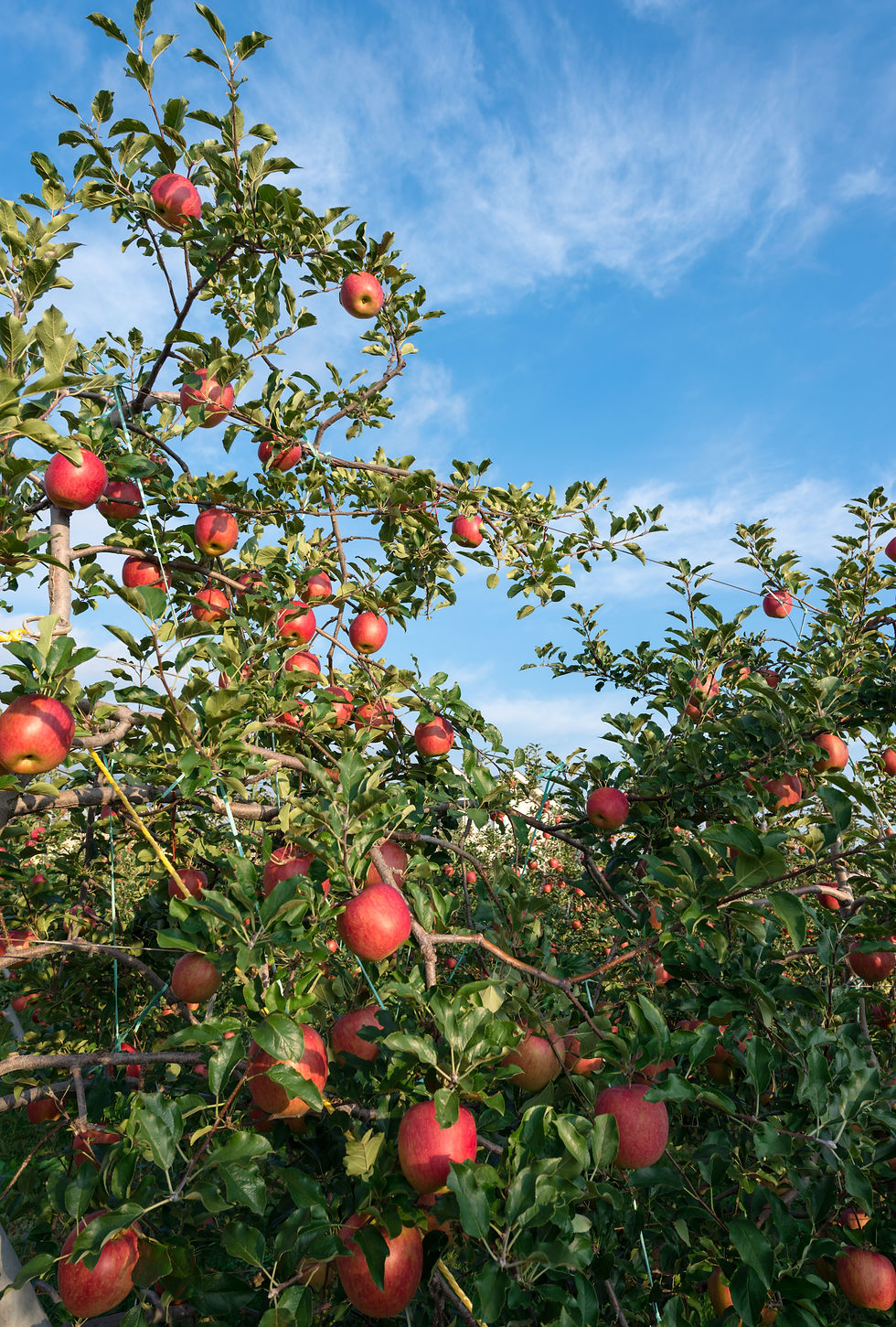
In the United States, cider has come full circle. Once the everyday drink of colonial New England, it nearly vanished after Prohibition. But beginning in the late 20th century, cider has staged a remarkable comeback, evolving into one of the country’s fastest-growing craft beverages. New England has leaned into its heritage, with orchard-based cideries like Farnum Hill (NH) and Shacksbury (VT) reviving heirloom apples and producing elegant, European-style ciders. Seasonal favorites like spiced ciders and cider donuts keep the farm-to-glass tradition alive. In the Pacific Northwest, Washington and Oregon dominate with innovation. Blessed with volcanic soils and ideal growing conditions, the region’s cider makers experiment with hops, barrel aging, and bold fruit blends — often echoing the creative spirit of their craft beer scene. Michigan adds its own flavor, blending a long-standing cider mill culture with modern craft techniques. Here, orchards along the Great Lakes benefit from a climate that protects blossoms and extends harvests, producing crisp, balanced ciders. Across the U.S., the craft cider movement is marked by diversity: from farmhouse dry ciders to sparkling blends with berries or spices. This revival has not only resurrected cider’s colonial roots but reimagined it for today’s drinkers - bridging history, innovation, and terroir in every glass.
Japan: Modern Cider with Fuji & Mutsu Apples
Japan’s relationship with apples is relatively modern, but deeply distinctive. Apples were introduced in the 19th century, and today the country is renowned for producing some of the world’s most visually striking and flavorful varieties - particularly the Fuji and Mutsu (Crispin) apples. Often grown with meticulous care, these apples are prized not only for their size and sweetness but also as luxury gifts symbolizing prosperity and hospitality. Japan’s cider industry (シードル – shīdoru) is still young, but it’s growing quickly. Small producers in regions like Aomori - the country’s apple heartland - are crafting elegant ciders that highlight the crisp sweetness of Fuji and the refreshing acidity of Mutsu. Unlike the drier, tannic traditions of Europe, Japanese ciders tend to be fruit-forward, bright, and lightly sparkling, reflecting the flavors of the apples themselves. In keeping with Japanese culinary culture, cider is often positioned as a refined, versatile drink, paired with both traditional dishes (like grilled yakitori or tempura) and modern fare. It’s a fusion of careful farming, modern innovation, and global influence - an apple tradition still being written.

Apple Cider Vinegar
No apple guide is complete without apple cider vinegar - a byproduct of cider-making with both culinary and health appeal.
How It’s Made
Apple Cider Fermentation → Crushed apples are pressed into cider.
Alcoholic Fermentation → Yeast converts apple sugars into alcohol
Acetic Fermentation → Acetobacter bacteria convert alcohol into acetic acid, giving vinegar its tang.
Uses in the Kitchen
Salad dressings (vinaigrettes).
Marinades (especially pork and chicken).
Pickling (vegetables, fruits).
Traditional Uses
Digestive health - Believed to aid gut balance (though studies are mixed).
Preservation - A natural antimicrobial used historically for food storage.
Wellness trend - Diluted ACV shots or tonics are popular for detox-style routines.
Fun Fact
The “mother” in unfiltered ACV (a cloudy web of proteins and bacteria) is a natural probiotic culture - much like sourdough starter or kombucha SCOBY.
Cider Drinks for Every Occasion
Non-Alcoholic Cider Drinks
Hot Mulled Cider – Apple cider simmered with cinnamon sticks, cloves, star anise, and orange peel.
Caramel Apple Cider – Warm cider topped with whipped cream and a drizzle of caramel sauce.
Cider Lemonade – Fresh apple cider mixed with sparkling water and lemon juice for a crisp cooler.
Maple Cider Spritzer – Cider with soda water, maple syrup, and a squeeze of lime.
Apple Chai Latte – Steamed cider blended with chai spices and topped with frothy milk.
Ginger Spritz – Ginger Beer with a splash of cider.

Alcoholic Cider Drinks
Snakebite – Half cider, half lager (a British pub favorite).
Stone Fence – Hard cider with bourbon or rum (colonial American classic).
Cidre Royale – Sparkling cider with a splash of crème de cassis
Hot Spiked Cider – Warm cider with spiced rum, brandy, or whiskey.
Cider Sangria – Hard cider with white wine, sliced apples, citrus, and autumn spices.
Apple Cider Margarita – Tequila, triple sec, cider, and lime with a cinnamon sugar rim.
From ancient orchards to modern craft innovation, cider reflects centuries of tradition in every sip. Whether sweet or dry, mulled or sparkling, it remains one of the world’s most enduring and adaptable drinks - a glass filled with history and flavor.
For a New England guide to pick your own orchards - click here!


Comments